ByJohn A
What Are Cross-Chain Bridges in Blockchain?
Cross-chain bridges in blockchain enable value and data to move between independent networks. They coordinate lock-and-mint, lock-and-burn, or wrap-and-verify processes to preserve ownership and state. Different architectures—notary, atomic relay, and validators—balance throughput, security, and latency. Governance, auditability, and upgrade paths influence reliability and trust. The trade-offs and implementation choices shape practical use cases, costs, and risks, leaving essential questions about suitability and safeguards open for discussion.
What Cross-Chain Bridges Do and Why They Matter for You
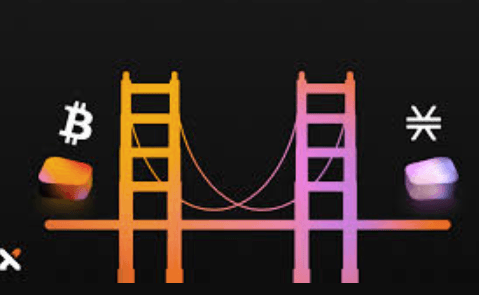
Cross-chain bridges enable value and data to move between independent blockchain networks.
The topic explains how these connectors enable asset transfer, interoperability, and expanded use cases, while maintaining autonomy for users.
They influence liquidity and access across ecosystems.
Bridges security considerations and governance models shape risk, reliability, and transparency, guiding participants toward informed, freedom-centered participation in multi-chain finance and governance.
How Bridges Work: Core Mechanisms in Practice
Bridges operate by coordinating between separate blockchains to move value and data, employing a mix of lock-and-mlock, wrapped assets, and message-passing to preserve asset ownership and state continuity across networks. In practice, validators or observers verify events, atomic relays ensure consistency, and custody models govern asset transfer. This architecture highlights bridges security concerns and cross chain latency implications for user-facing reliability.
Bridge Mechanisms Explained: Lock-Match, Mint/Burn, and Notary Models
Three common mechanisms underlie cross-chain asset transfer: lock-match, mint/burn, and notary models.
Lock match pairs locked tokens on a source chain with a valid proof of lock on the destination chain, enabling representation without duplication.
Mint burn creates or destroys tokens accordingly.
Notary models rely on trusted witnesses to confirm events, balancing throughput, security, and decentralization.
See also: The Benefits of Artificial Intelligence in Predictive Analytics
Choosing the Right Cross-Chain Bridge for Your Use Case
Choosing the appropriate cross-chain bridge depends on the specific asset transfer requirements, including security posture, throughput, and user experience.
The decision hinges on governance structures, bridge audits, and upgradeability. Consider compatibility with token standards, support for wrapped assets, and liquidity sufficiency. Bridges governance and audit transparency influence risk, while adherence to token standards ensures interoperability and predictable behavior across ecosystems.
Conclusion
Cross-chain bridges translate value and data across blockchains, enabling interoperability while balancing throughput and security. By locking assets on one chain and minting or releasing equivalents on another (or via notary/relayer concepts), they preserve ownership and state continuity. They enable wrapped tokens, cross-network messages, and liquidity movement, but introduce governance, audit, and upgrade considerations. When selecting a bridge, assess security model, latency, fees, and supported networks to align with your use case.